
More Students Are Starting College With Credits — Are Advisors Ready?
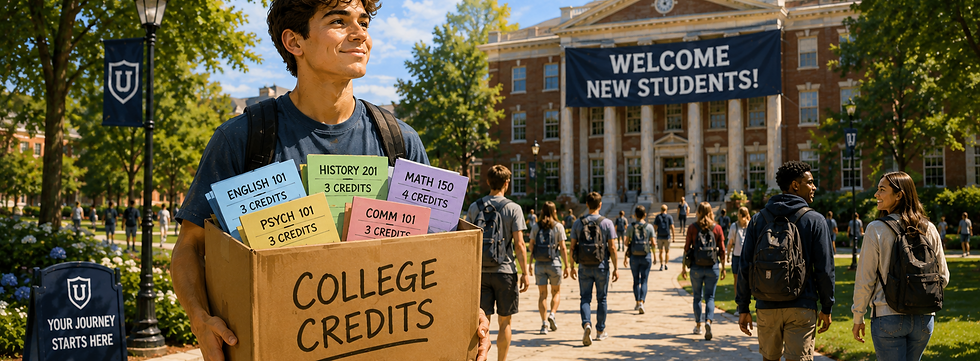
Dual enrollment has grown rapidly across the United States over the past decade. More high school students than ever are taking college courses before graduating high school, earning credits that may transfer directly into degree programs after graduation.
For colleges and universities, this shift is changing the student experience in important ways. Increasingly, students are arriving on campus with completed general education requirements, prior college transcripts, and a stronger familiarity with higher education systems.
While college academic advisors are often not the professionals directly advising dual enrollment students during high school, the growth of dual enrollment still has major implications for advising offices once those students officially matriculate into college.
Today’s incoming students are not always “starting from scratch.” Advisors must increasingly adapt to students who arrive with credits, momentum, and sometimes confusion about what comes next.
Students Are Entering College Further Along Academically
One of the biggest impacts of dual enrollment is that students may begin college with a significant number of earned credits already completed.
Some students enter with:
one or two courses,
a completed semester,
or even an associate degree.
This changes the traditional advising timeline.

A first-year student may technically have sophomore or junior standing based on credits. They may bypass developmental coursework, complete prerequisites earlier, or move into advanced coursework much sooner than expected.
For advisors, this means degree planning conversations often become more complex from the very beginning.
Early Momentum Can Be Positive — But It Also Creates New Challenges
Dual enrollment can absolutely benefit students. Research has consistently linked dual enrollment participation with:
higher college-going rates,
improved persistence,
and stronger academic confidence.
Many dual enrollment students arrive with greater familiarity with syllabi, deadlines, academic expectations, and college systems.
However, accumulated credits do not always equal academic clarity. Students may arrive with:
excess credits that do not apply cleanly to their program,
uncertainty about majors,
misunderstandings about transferability,
or unrealistic assumptions about how quickly they can graduate.
Some students also experience pressure to “finish fast” simply because they already have credits completed. Advisors increasingly play a critical role in helping students balance efficiency with exploration, engagement, and long-term planning.
Academic Advising Conversations Are Becoming More Individualized
As dual enrollment expands, advising becomes less standardized. Traditionally, many first-year students followed relatively similar course pathways. Advisors could often rely on predictable first-semester schedules and milestone conversations.

Now, incoming students may arrive with vastly different academic starting points.
One student may need introductory coursework. Another may already qualify for upper-level major classes. A third may have completed many credits but still feel academically or socially unprepared for college-level rigor.
This means advisors must spend more time:
reviewing transcripts,
evaluating how prior credits fit degree plans,
discussing sequencing challenges,
and helping students understand the long-term implications of academic choices.
The advising process becomes increasingly personalized rather than procedural.
Career and Major Exploration May Need to Happen Earlier
Dual enrollment can accelerate academic progress, but it can also compress decision-making timelines.
Students with many completed credits may need to choose majors earlier than previous generations of students. Some may have less flexibility to explore different pathways without extending the time to the degree.
As a result, advisors may need to integrate:
career exploration,
strengths discussions,
transfer planning,
and long-term goal setting
much earlier in the student experience. This is especially important because many dual enrollment students selected courses during high school based on availability or convenience rather than a clear academic or career plan.
Advisors often help students connect earlier coursework to a broader sense of purpose and direction.

Social and Developmental Readiness Still Matters
One important reminder for advising professionals is that academic acceleration does not always mean developmental readiness.
A student may enter college with 30 credits completed while still navigating:
identity development,
confidence challenges,
transition stress,
belonging concerns,
or uncertainty about independence.
Academic advisors may increasingly work with students who are academically advanced but still very much in transition personally and emotionally.
This creates an important opportunity for holistic advising approaches that balance academic planning with support, encouragement, and connection.
Advisors May Need Greater Familiarity with Dual Enrollment Systems
Even if advisors are not directly managing dual enrollment programs, understanding the landscape matters more than ever. Advisors benefit from understanding:
common dual enrollment pathways,
state transfer agreements,
articulation policies,
transcript interpretation,
and local high school partnerships.
The better advisors understand how students accumulate credits, the better they can help students navigate next steps successfully.

The Future Is Changing
The continued rise of dual enrollment reflects a broader shift in higher education. Students increasingly expect flexibility, accelerated pathways, and personalized educational experiences.
Today’s incoming students may already have college credits, but they still need guidance, support, and meaningful conversations about goals, identity, belonging, and long-term success.
In many ways, the rise of dual enrollment does not reduce the importance of academic advising. It makes effective advising even more essential.


